

Why Digital Traceability is a No-Brainer for the Public Sector
In construction, roads and housing programmes, the movement of materials and waste is often one of the largest controllable costs for a public sector body. Yet too often it remains dominated by manual, paper-based systems: dockets, hand-written logs, spreadsheets, signed delivery notes. These legacy processes carry hidden costs — financial leakage, audit risk, and lost opportunity.
In contrast, a digital traceability solution brings real-time, verifiable data from load to gate, enabling better oversight, compliance and value for money.

From Oversight to Insight: How Digital Traceability Powers Smarter Infrastructure Decisions
In modern infrastructure delivery, information is everything.
Yet across Ireland’s roads, housing, and capital projects, project data is still scattered across spreadsheets, paper dockets, and siloed systems — making real-time decision-making nearly impossible.
Digital traceability is changing that.
By capturing every material movement, load, and disposal in real time, construction leaders can finally turn oversight into insight — making better, faster, and more defensible decisions.
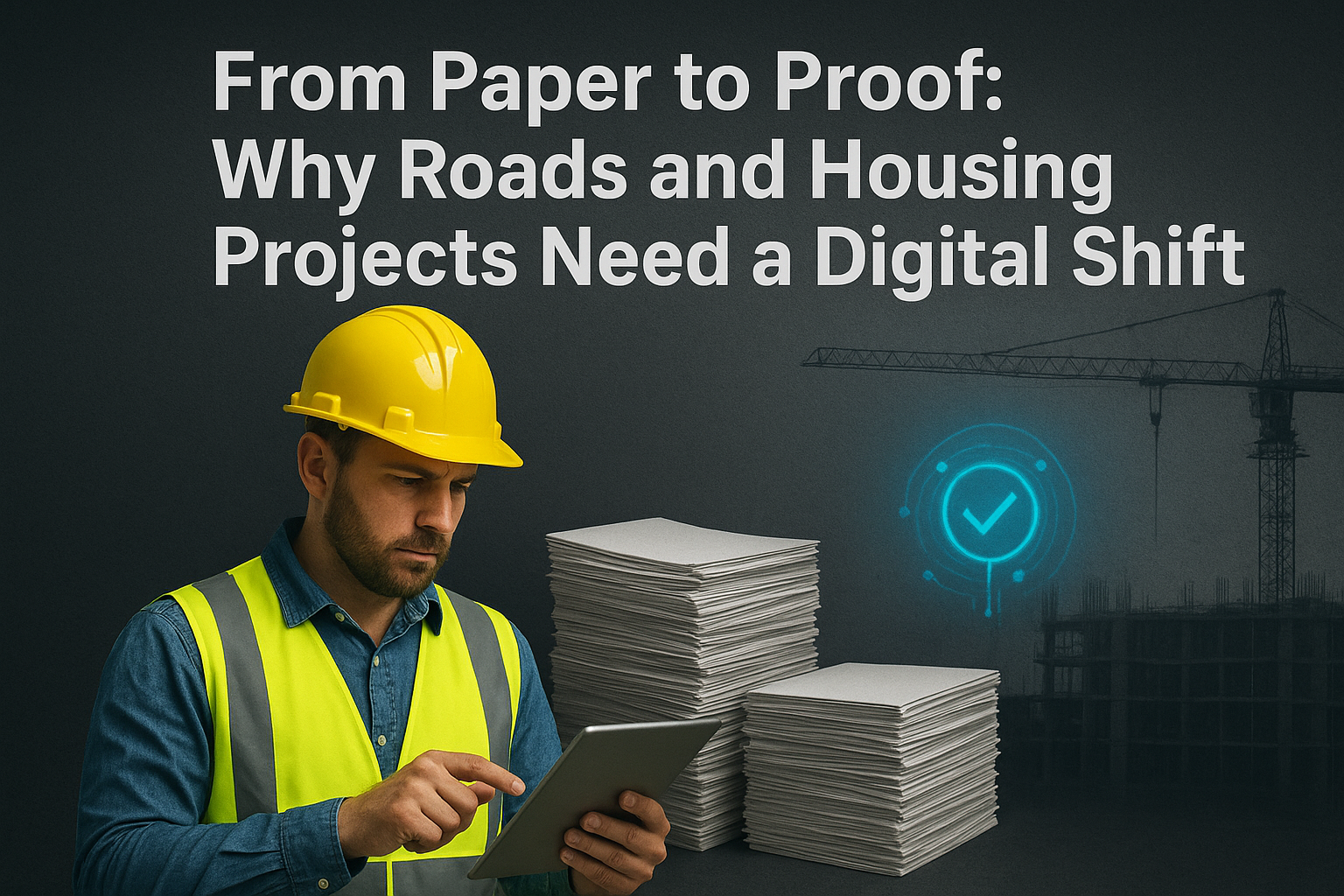
From Paper to Proof: Why Roads and Housing Projects Need a Digital Shift
tracked, verified, and audited.
For years, construction and local infrastructure teams have relied on manual dockets, spreadsheets, and delayed reporting to manage complex projects.
The result? Lost records, delayed payments, unverified claims, and missed opportunities for reuse.
Now, leading contractors and public bodies are adopting digital traceability platforms like Hub360 to bring total transparency and efficiency to capital deliver
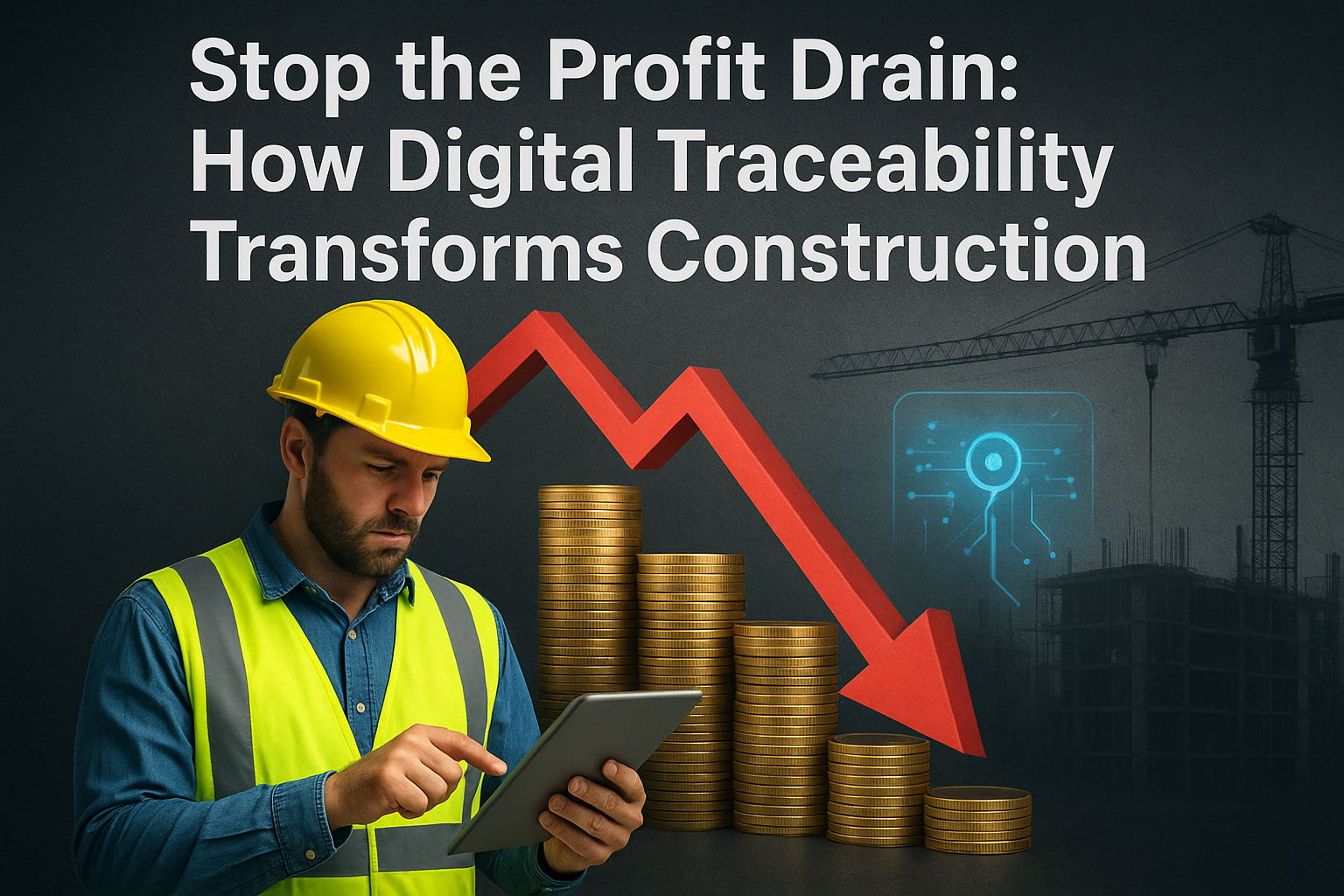
Stop the Profit Drain: How Digital Traceability Transforms Construction
For construction firms, the Hub360 approach delivers measurable results: verified movements, faster audits, lower admin time, and higher profitability. It removes the blind spots that cause financial loss and replaces them with real-time, actionable insight.
In a competitive industry, digital traceability isn’t just a better way of working — it’s the smarter way to stay profitable and compliant.

Digital Traceability’s Role in Environmental Protection and Circularity
In infrastructure, road-works and housing projects, the movement and reuse of materials and waste streams is no longer just an operational issue—it’s a strategic environmental performance lever. With increasing emphasis on resource efficiency, reuse and circular economy compliance, adopting a digital traceability system is now a key way to align operations with sustainability commitments.


Why Construction & Demolition Waste Management Plans Need Digital Support
When a new housing development is proposed, one of the standard requirements is a Construction & Demolition (C&D) Waste Management Plan (WMP). On paper, this looks like a robust safeguard: developers must outline how they will manage materials, prevent illegal tipping, and ensure proper recycling or disposal.

The Hidden Cost of Old Habits — Why Developers Are Asking for Hub360
Missing paper dockets and fragmented records are one of the biggest drivers of construction delays and disputes. From late paperwork to unclear site records, inefficiency is holding Irish construction projects back — and costing developers both time and money.
According to Autodesk and FMI’s Harnessing the Data Advantage report, poor-quality or incomplete information costs the global construction sector an estimated $1.85 trillion annually. In Ireland, the problem is more local and more familiar: paperwork in construction slows valuations, fuels disputes, and delays payments.