

CSRD Is Not an ESG Exercise – It’s a Site Data Problem (And 2026 Is the Year It Bites)
The Corporate Sustainability Reporting Directive has moved ESG reporting from voluntary narrative to regulated disclosure. Under ESRS E5, companies must report on resource use, waste generation, and circularity using reliable, verifiable data. This includes subcontracted activity — particularly material transport and disposal — which sits firmly within Scope 3.

From Daily Logs to Defensible Control – Why Project Managers Are Being Judged on Data, Not Diaries
Across Ireland, the EU, and the UK, construction projects are operating under tighter regulatory oversight than ever before. Waste regulation, environmental enforcement, and sustainability reporting have converged on the construction site as a point of control. Material and waste movements — historically treated as operational detail — are now a source of commercial, legal, and reputational risk.

From Paper Trails to Digital Evidence: Why Construction Is Being Forced to Change
Construction is moving steadily toward a more data-driven and accountable operating model — not because of technology trends, but because external pressure is increasing.
Clients, regulators, and investors now expect clearer evidence of how projects are delivered. This includes not just final outputs, but how materials are moved, how waste is handled, and how subcontractors operate on site.

The Hidden Cost of Construction Disputes – and Why Proof at Source Now Matters More Than Ever
Construction disputes are often talked about as exceptional events, but in reality they are a structural feature of how projects are still delivered across the UK, Ireland, and Europe.
Most projects begin with estimates: estimated quantities, estimated deliveries, estimated waste volumes, estimated programme impacts. That is unavoidable at tender stage. What is far less consistent is how actuals are captured once work starts on site.
That gap between estimate and actual is where disputes are born.

Why Poor Delivery Records Are a Hidden Cause of Lost Productivity on Construction Sites
Across UK and European construction projects, a significant amount of time is lost not because work cannot be done, but because teams are waiting for information. What arrived? When did it arrive? Was it complete? Was it accepted? Without clear answers, work slows or stops altogether.

Construction Traceability: Why It Has Become a Commercial Issue, Not Just a Compliance Requirement
For a long time, traceability in construction was treated as a regulatory box-ticking exercise. Waste dockets were filed away. Delivery notes were kept “just in case”. As long as nothing went wrong, records were rarely revisited.

Proof of Delivery and Cash Flow: Why Clean Records Speed Up Payment in Construction
Cash flow remains one of the biggest pressure points in the construction supply chain. For many contractors, subcontractors, and suppliers, the issue is not lack of work, but how long it takes to get paid for work already done.

The Future of Site Clearance and Muck-Away Operations in Ireland:Why Digital Traceability and Better Coordination Will Become Essential Under the New Infrastructure Plan
Ireland’s Accelerating Infrastructure – Report and Action Plan is designed to speed up the delivery of roads, utilities, housing, and major projects. While much of the public conversation focuses on planning reform or large infrastructure budgets, there is a crucial downstream implication for the businesses who move the ground — literally.
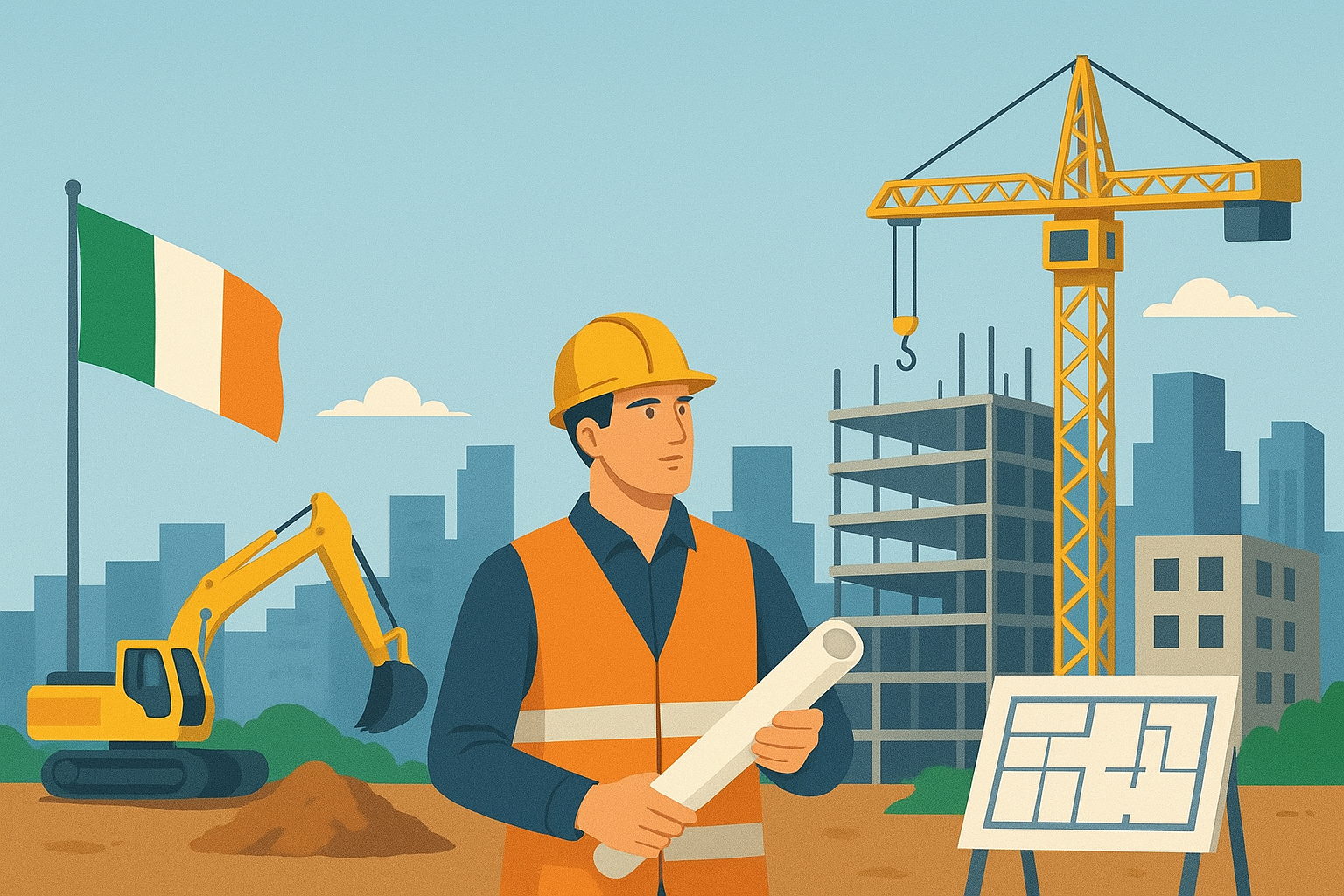
What Ireland’s New Infrastructure Plan Means for Builders and Developers — And How Digital Tools Like Hub360 Strengthen Project Delivery
Ireland’s new Accelerating Infrastructure – Report and Action Plan marks a structural shift in how the State intends to deliver roads, utilities, housing, and major infrastructure. While much of the discussion focuses on planning reform and public-sector coordination, the implications for builders and developers are equally significant.

Turning Ireland’s Infrastructure Plan into Real Data
Ireland’s new Infrastructure Plan is clear: data-driven delivery is now an expectation, not an aspiration. The Plan talks about AI, real-time dashboards and national oversight — yet most projects still run on paper tickets, WhatsApp messages and disconnected spreadsheets.

Audits Shouldn’t Take Weeks: The Digital Way to Instant Compliance in Construction
In public infrastructure and construction, compliance isn’t optional — it’s a core operational responsibility.
Yet for most organisations, audits still trigger days (or weeks) of chasing paper dockets, reconciling loads, and verifying what really happened on-site.
The truth? Manual processes make audits painful, time-consuming, and error-prone — while digital traceability makes them effortless, transparent, and defensible